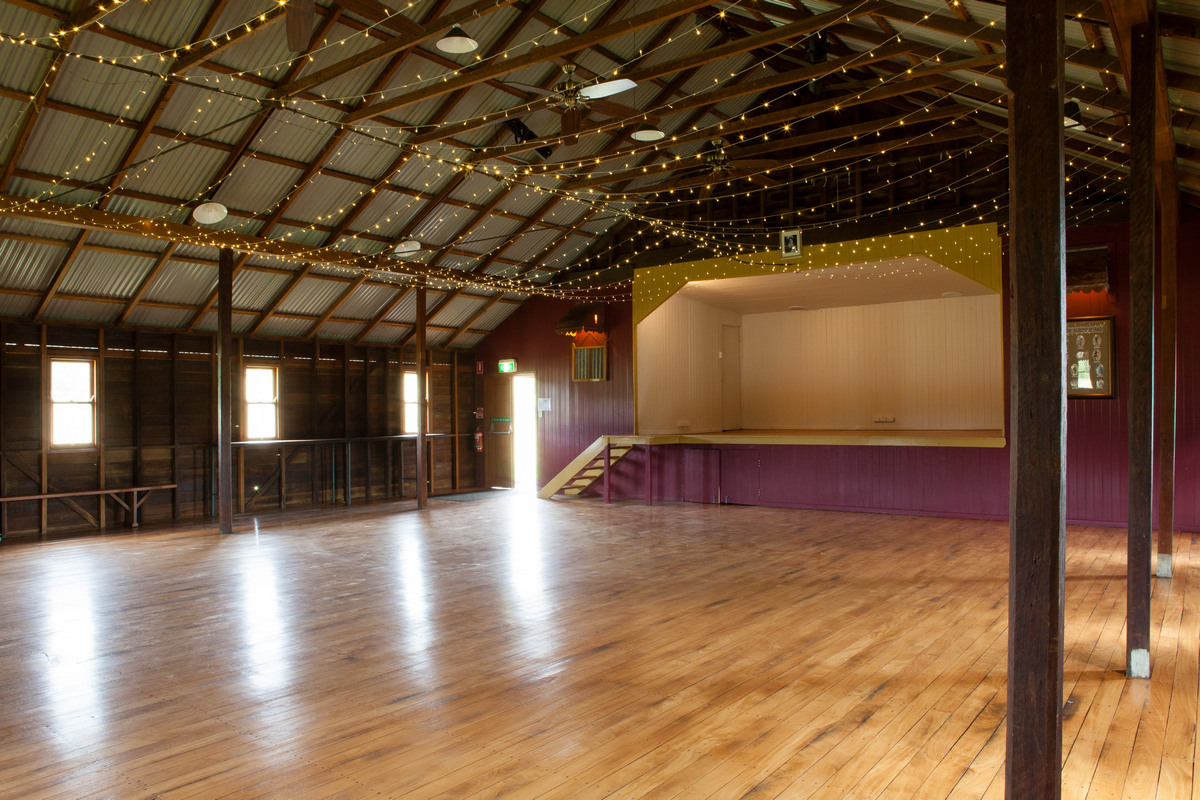
THE ROOF IS ON

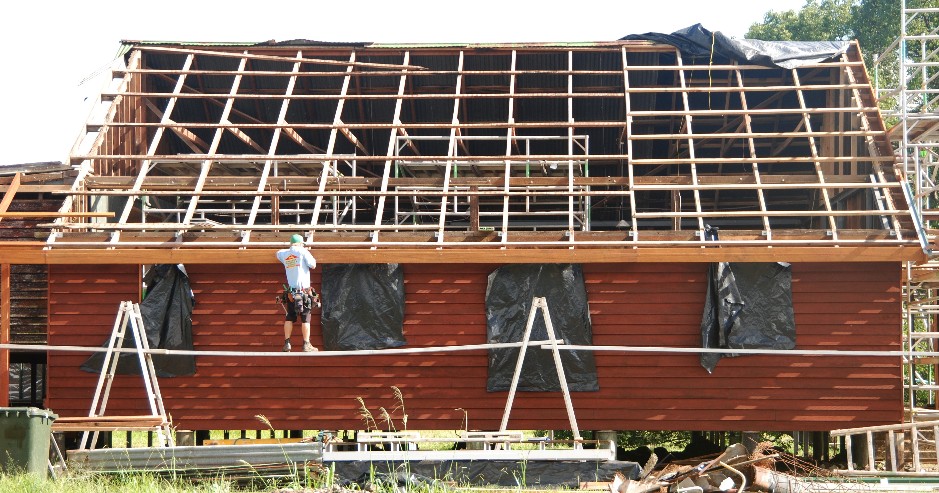
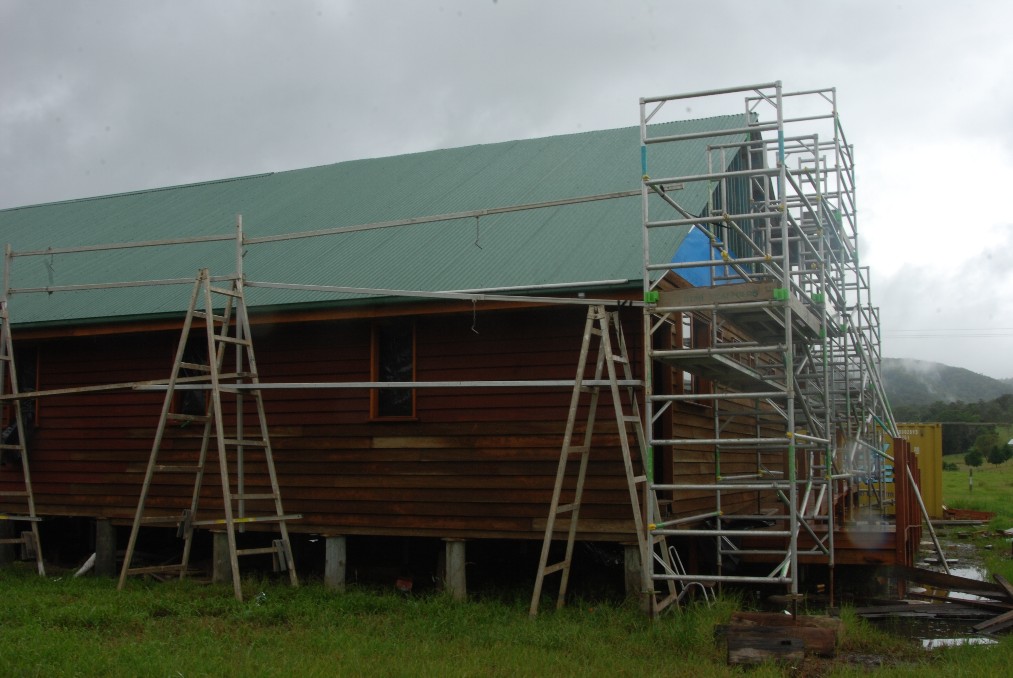
The rear of the hall looking at the kitchen side.
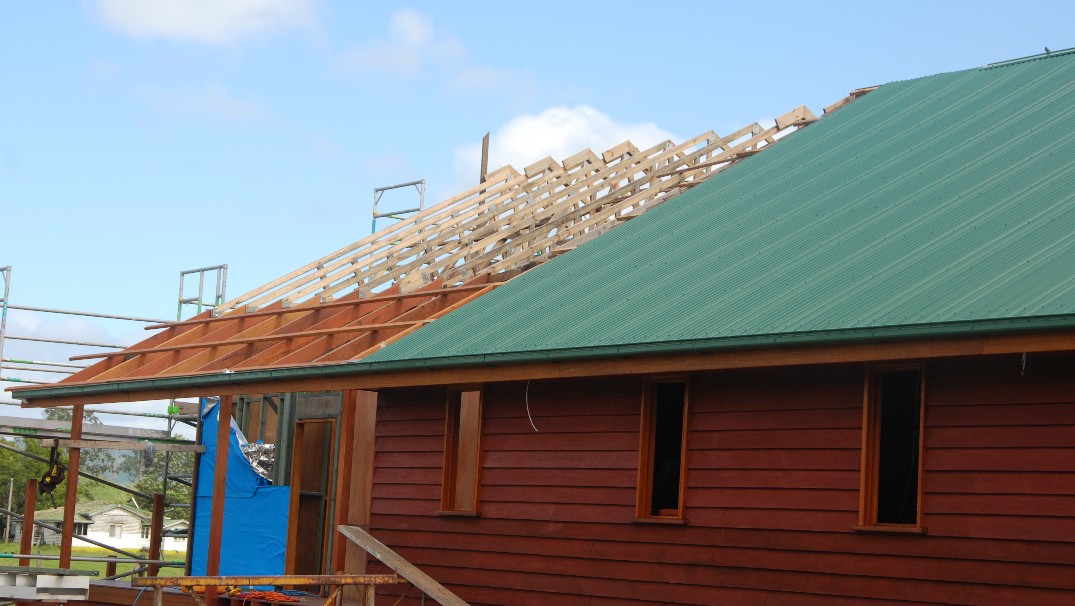

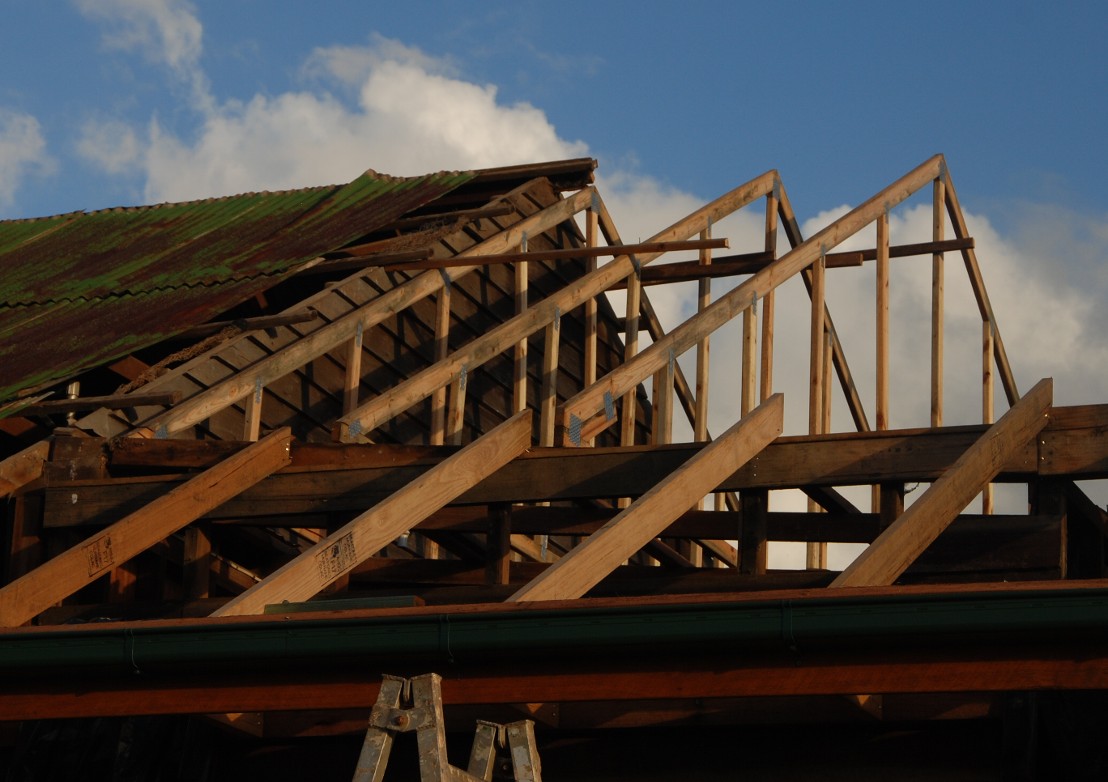
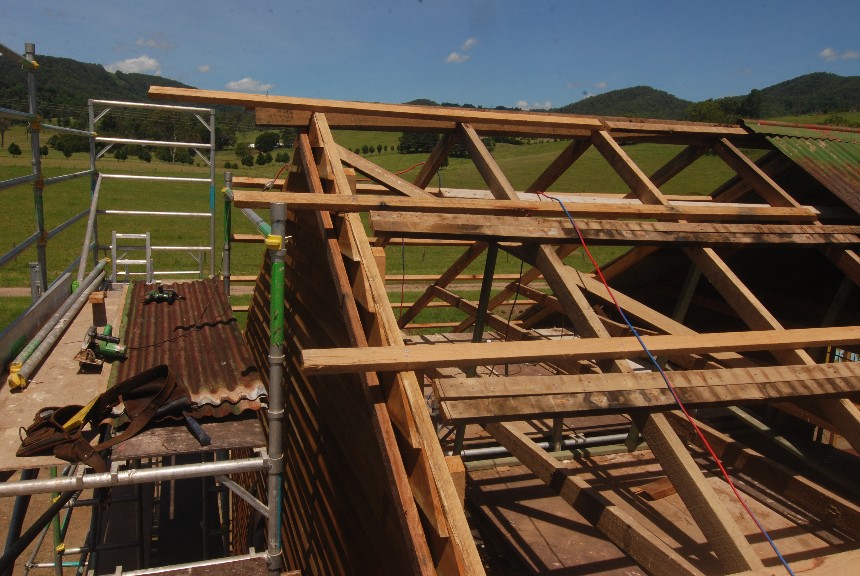
The framework for the rest of the roof with half of the second painting coat done.
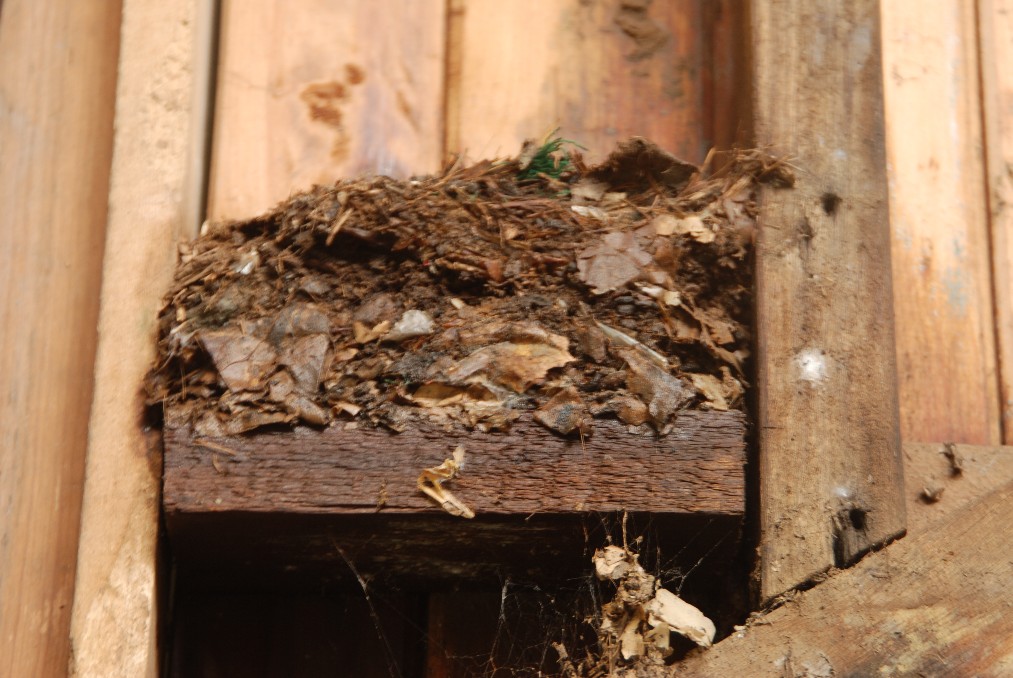
Accumulated rat nest residue in the wall at the rear of the stage
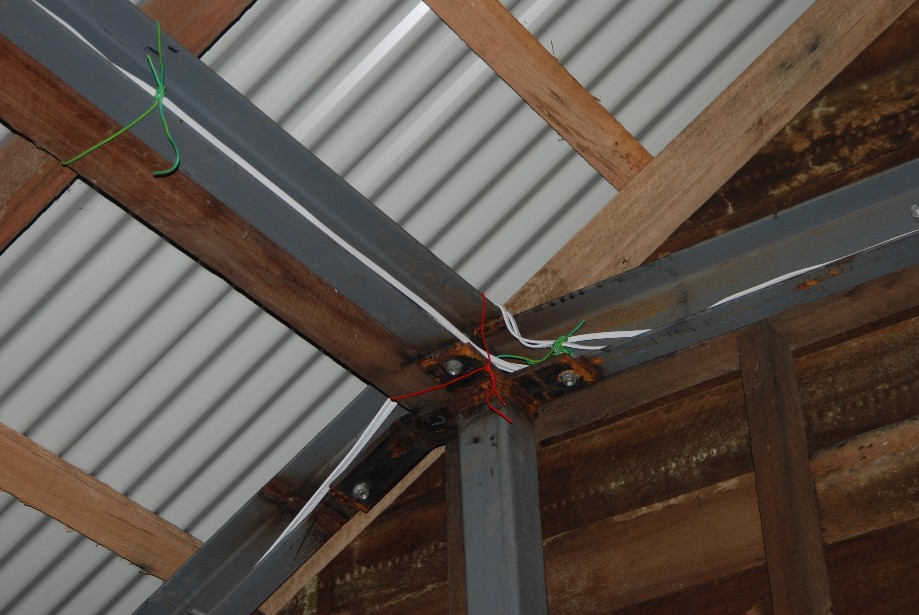
Electricial wiring being installed inside the portal frame which will be covered by a timber cladding. Viewed at the junction of roof and front wall on north side of hall.

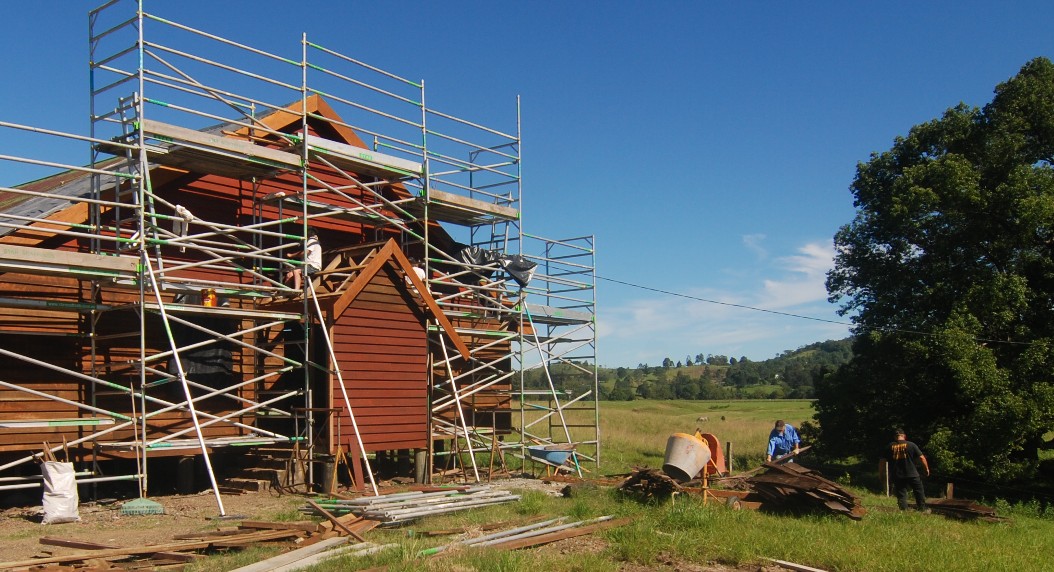
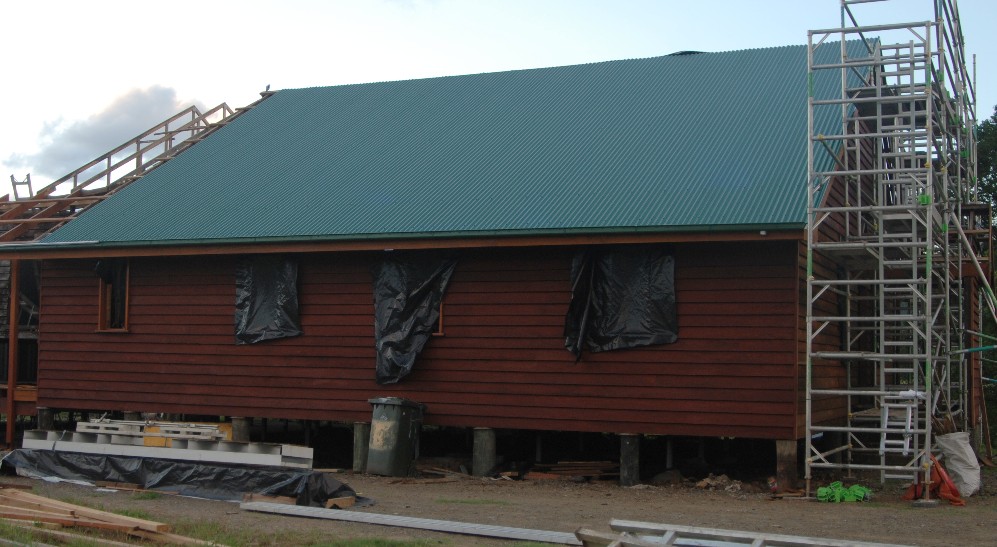
Scaffolding moved to the rear to enable the fitting of the roof.

Another weekend of painting and cleanup
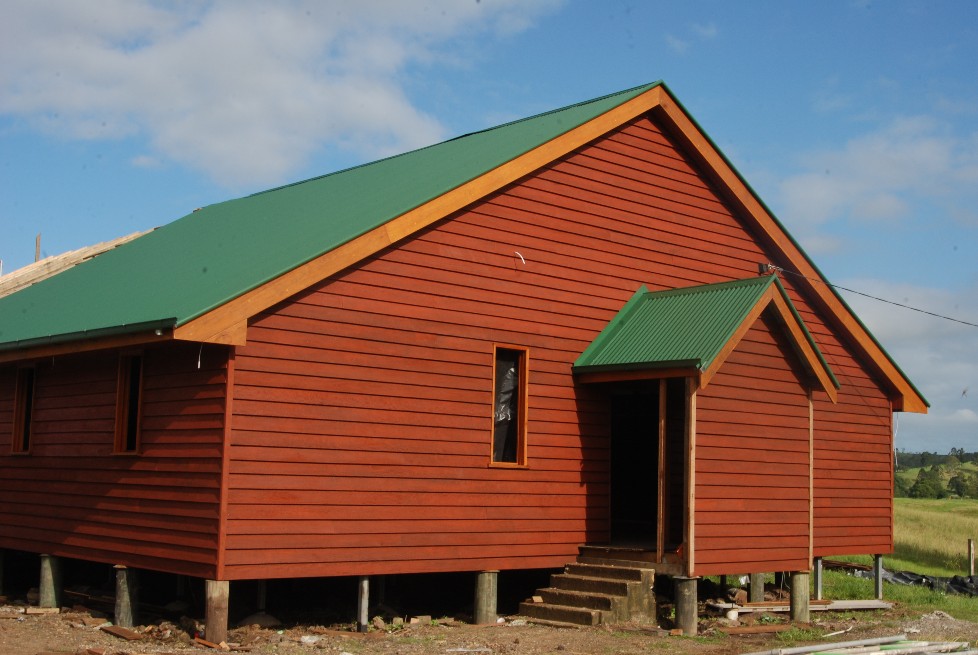
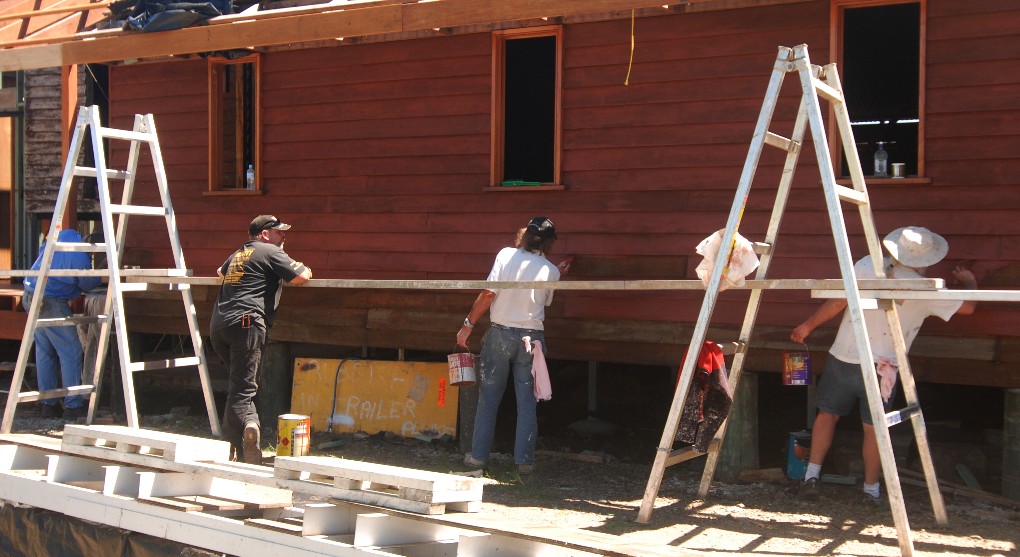
Halfway through the second painting, evidenced by the colour change above the window.

Detail of the junction of the rear cladding of the foyer and the front wall with the wall or right side brushed and painted.
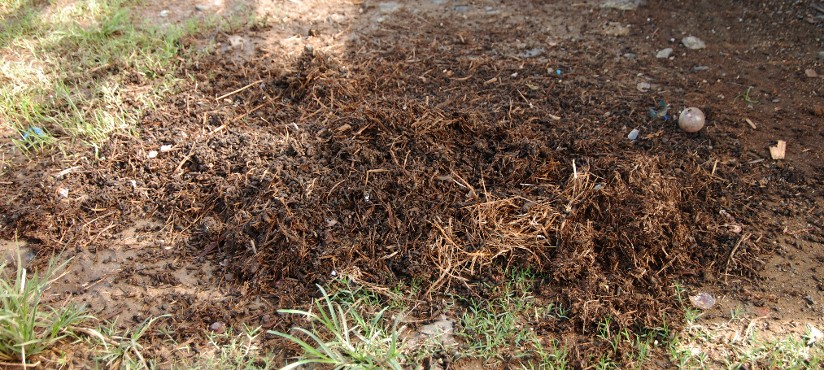

Taken from the ceiling above the stage, three buckets of  a combination of rat droppings, grass and straw.
Posted in Uncategorized | Leave a comment


5.30 pm Monday with half of the roof on.

The start of the new roof over the stage.

One of the plumbers.

8.30 am on Monday

The third painting and clean-up working bee.

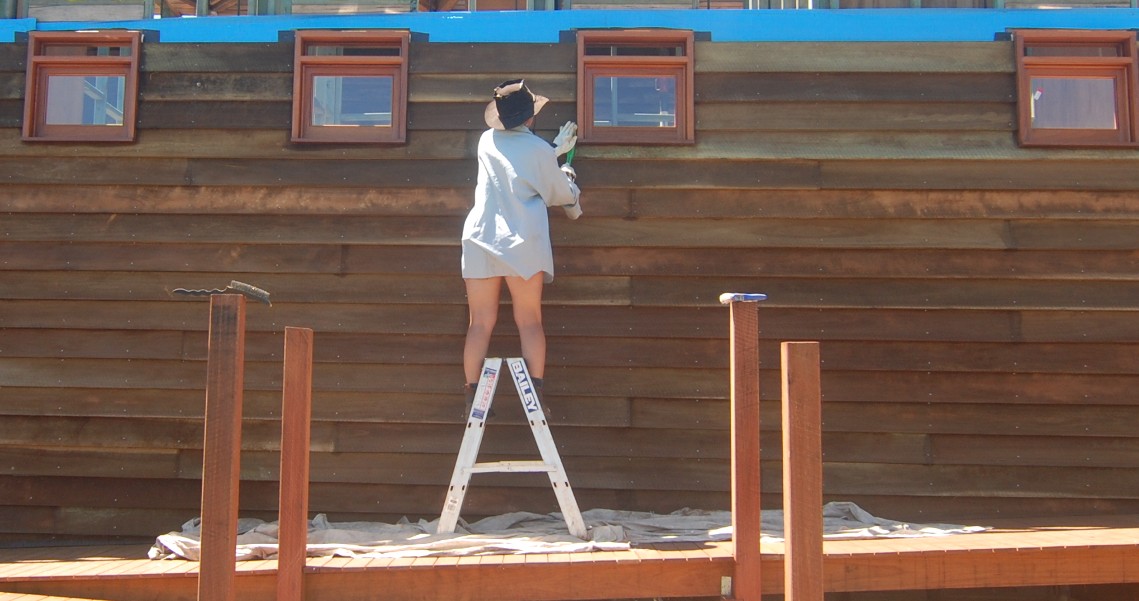
To reduce costs the painting of the hall and maintenance of the work site is being carried out by the Association.

Painting and site clean-up.

Painting

Preparing the weatherboards for painting by cleaning  with wire brushes.

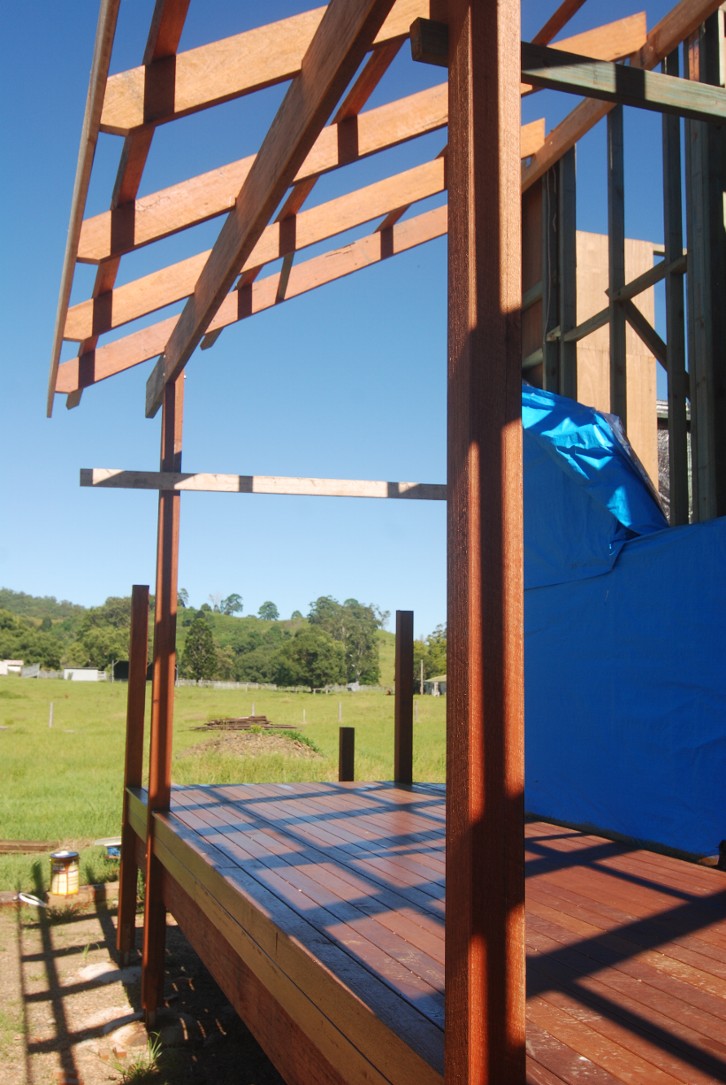
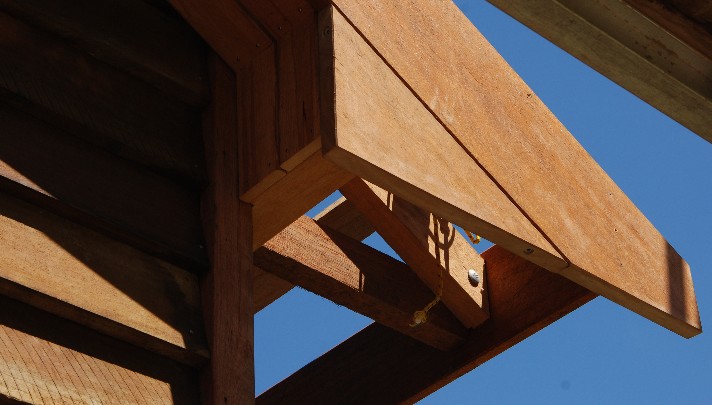
Extending the roof over the entrance deck. All exposed beams have been pre-painted.

Posted in Uncategorized | Leave a comment

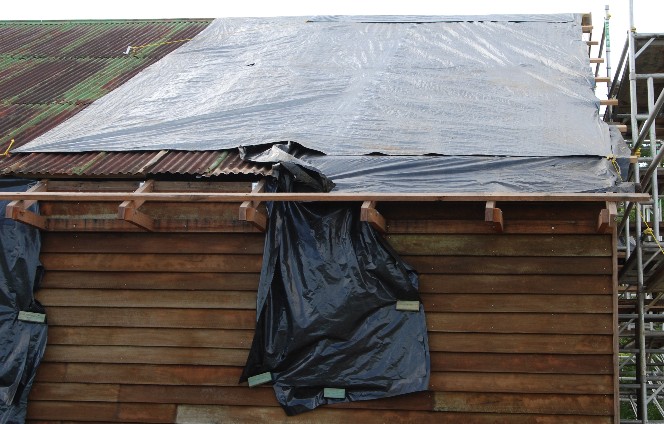
Ready for the anticipated rain.

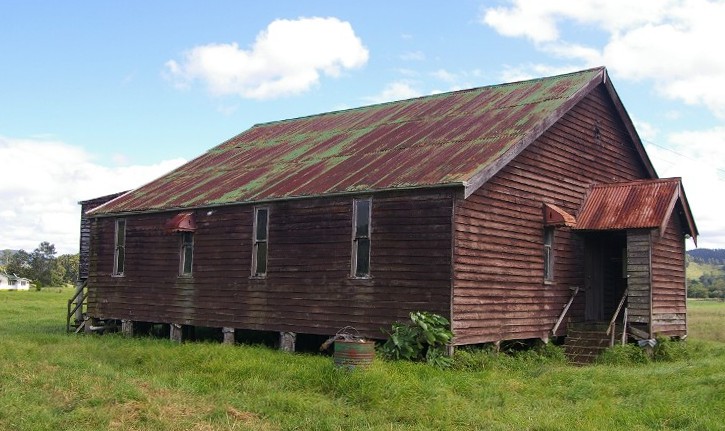
Before

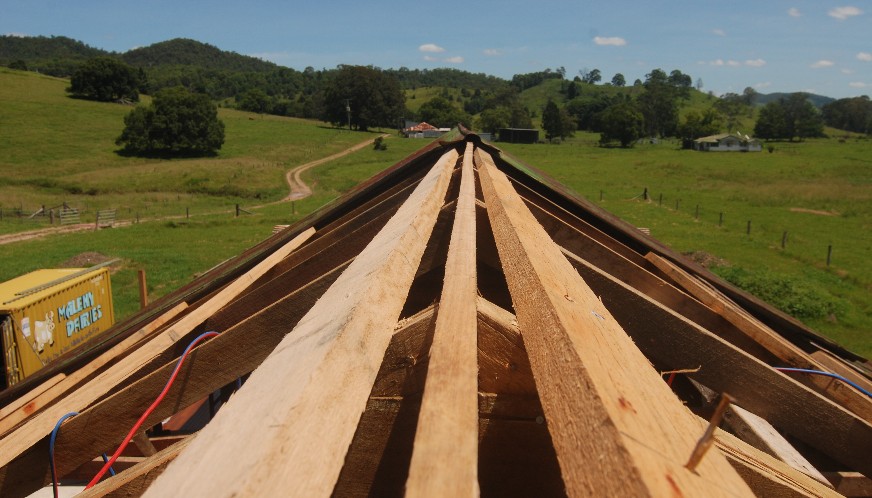
Working on the roof, with various rafters and batterns replaced.

Along the ridge line

Front barge board end detail, the underside of the eaves which will be lined with decking boards.

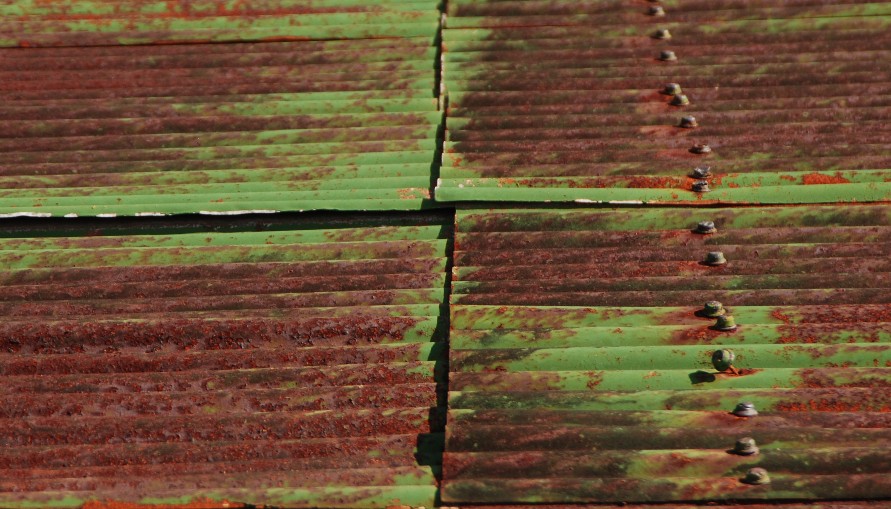
The existing roof, 99 years old and surprisingly still mostly waterproof.

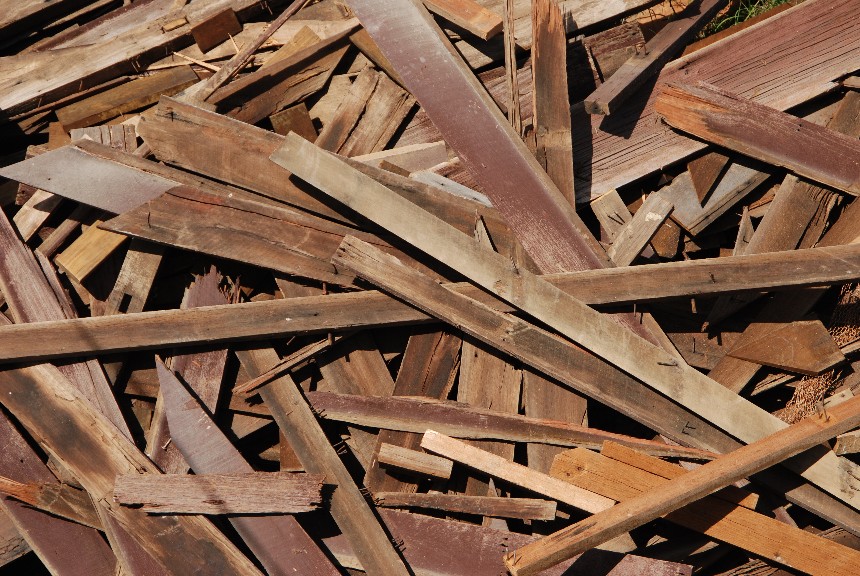
Discarded front cladding.

SOMETHING TO BE AWARE OF

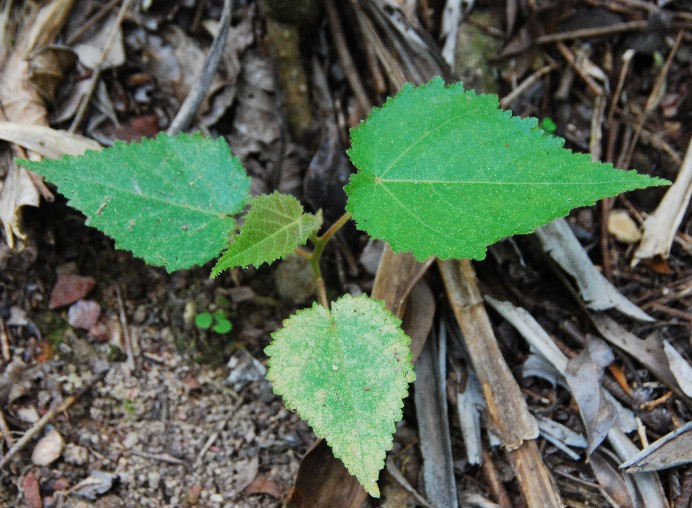
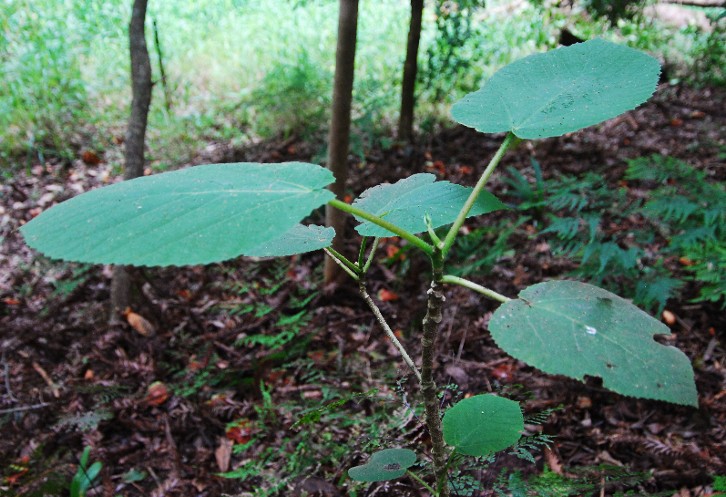
Found in my garden, probably a baby Giant Stinger tree – dendrocnide excelsa – which can grow to 40 m tall into a typical buttressed soft wood rain forest tree, its mullberry like fruits are eaten and then spread by birds.

Gympie Gympie – Dendrocnide moroides – grows to 2 m tall and has a much more severe sting, could grow also in this area.

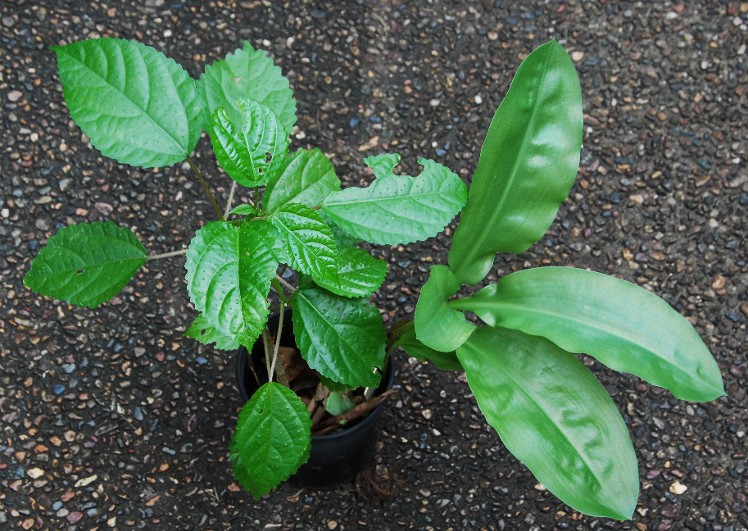
This one came up in a plant container and as I found out, even at this size it can sting.

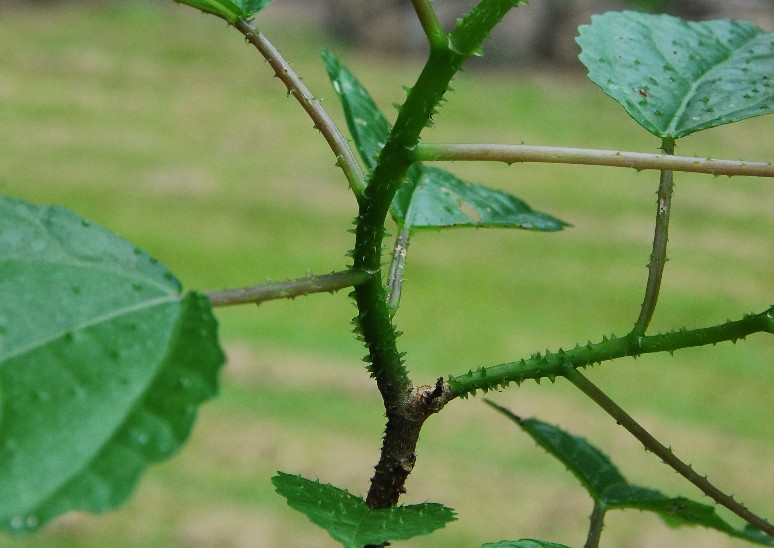
Distinctive spikes

A 1.5 m specimen. The eaten patches on the leaves are a typical identification indicator for this tree.

Posted in Uncategorized | Leave a comment